
Who I help
Family Businesses. Owner-managed businesses. Scale Ups. Construction & Real Estate. Industrial & Manufacturing. Hospitality. Leisure. Professional Services.
How I help
Tax advisory. VAT. Business advisory. Growth strategy. Cross-border coordination.
“If tax is done right, everything else follows.”
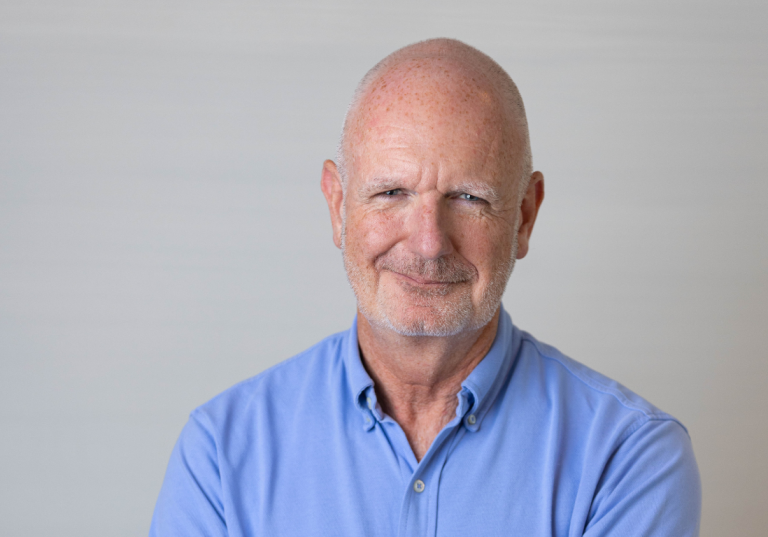
Edward Conway is a Tax Associate based in our Dublin office, specialising in VAT and broader tax advisory across a diverse client base. Since moving into tax in 2020, he has been helping businesses navigate complex tax matters with practical, commercially-focused advice.
He works with companies of all sizes, from owner-managed businesses to larger corporates, supporting both organisations and individuals across a wide range of sectors. His work spans indirect and direct taxes, with a particular interest in VAT. Edward combines his background in accounting with his tax expertise to ensure advice is not only technically grounded, but also practical.
A deliberate move into tax
“I came to tax later than most. Before 2020, I wasn’t working in tax, but I kept running into situations, especially around VAT, where there wasn’t always a clear answer.
That pushed me to properly understand it. I decided to become a Chartered Tax Advisor (CTA). Once I started, I found I genuinely enjoyed it. It didn’t feel like a chore, even the study side of it.
That interest made it easier to stay focused and build my knowledge, particularly in VAT, which is an area that continues to evolve and challenge businesses.”
Connecting the detail to the bigger picture
“One of the strengths I bring is understanding both the accounting side and the tax side. It means I’m not just giving an answer in isolation.
If a client asks about VAT on a transaction, I’m also thinking about how that works in their accounts, how it’s recorded, and what it means in practice.
It’s about making sure the answer fits into the wider business, not just ticking a box.”
Starting with understanding
“For me, the starting point with any client is understanding what they actually do. Every business is different, even within the same sector.
You have to see things from their perspective. Without that, it’s very difficult to give advice that really works for them.
Particularly in areas like VAT and customs, where small details can have a big impact, that understanding makes all the difference.”
Getting the fundamentals right
“One of the most satisfying parts of working in tax is knowing that when things are done properly, clients can get on with running their business without unnecessary worry.
There aren’t always big moments of recognition when everything is working as it should, but the alternative can be hugely detrimental. If something goes wrong, it can affect the entire business.
Getting the fundamentals right, even if it goes unnoticed, is a result in itself for me.”
Staying current in a changing environment
“Tax doesn’t stand still. There are constant updates through legislation, case law and Revenue guidance, and you have to stay on top of that.
It’s not optional. If you’re not keeping up to date, you risk giving advice that’s no longer correct.
We’ve seen greater clarity emerge in certain areas, which is welcome from a Revenue perspective, but it only adds value if you’re actively keeping up with those developments and understanding how they apply in practice.”
A trusted sounding board
“I’d like clients to see me as someone they can rely on, whether the question is big or small.
Often it’s the smaller queries that prevent bigger issues later on. Having that open line of communication is important.
It’s about building a relationship where clients feel comfortable picking up the phone and working through things together.”
Looking ahead
“There’s a real opportunity to develop further specialisation, particularly within VAT. It’s a complex area and it’s becoming more important for businesses to get it right. That’s where I’d like to place more focus into the future. I find it hugely interesting.
Technology will also play a role. If it can take away some of the more administrative elements, it creates more time to focus on the areas that need judgement and experience.”
- Senior Leadership
Manchester: growth, opportunity, and AAB’s role in the city’s future
Manchester has been undergoing significant changes for a number of years, and it now seems like…

- Private Client
April 2027 Inheritance Tax and Pension changes: What to know
From April 2027 Inheritance Tax and Pension changes are coming that mean unused pension funds and…
- Private Client
Looking ahead to the UK Autumn Budget 2026: Everything individuals need to consider
The UK Autumn Budget 2026 is on the 28th October, and with it the buzz of…